In response to recent COVID-19 concerns, we are writing to assure our clients that we are taking recommended precautions.

Close
×

Would you like to switch to the accessible version of this site?

Go to accessible site Close modal window

Don't need the accessible version of this site?

Hide the accessibility button Close modal window
Accessibility View Close toolbar
Round dog and cat logo

US

(509) 837-4166

[email protected]

Open mobile navigation
  • Home
  • New Patient Center
    • What To Expect
    • Virtual Office Tour
    • Helpful Website Links
    • Payment Options
  • Forms
  • About Us
    • Services
      • Medicine
      • Surgery
      • Dentistry
    • Meet Our Team
  • Emergencies
  • Pet Memorials
  • Contact Us
  • Blog
  • Veterinary Topics
    • Pet Health
      • Chronic Conditions
      • Digestive and Oral Health
      • Diseases and Viruses
      • Pests and Parasites
      • Orthopedics
    • Today's Veterinarian
    • Choosing Your Pet
      • Finding Your Pet
      • Cats
      • Dogs
      • Exotics
        • Amphibians
        • Birds
        • Reptiles
          • Lizards
          • Turtles
      • Small Mammals
        • Ferrets
        • Rabbits
        • Domesticated Animals
          • Prairie Dogs
        • Pocket Pets
          • Chinchillas
          • Guinea Pigs
          • Hamsters
          • Hedgehogs
          • Rats
      • Livestock
        • Cows
        • Donkeys, Horses & Mules
        • Goats
        • Pigs
        • Poultry
        • Sheep
    • Living With Your Pet
      • Bringing Your Pet Home
      • Children and Pets
      • Providing Care
      • Travel
      • Saying Goodbye
    • Newsletter Library
      • Cats
      • Tips for Pet Owners
      • Behavior & Training
      • Fleas & Parasites
      • Keeping Pets Healthy
      • Recognizing Illness
      • Nutrition & Food
      • Pet Dangers
      • Seasonal Topics
      • Visiting the Vet
      • Equine
      • Newsletter Archive
        • Fun with Pets
        • Unbelievable Pets
    • Video Newsroom
      • Health Topics
      • Technology and Science
      • Other Interests
    • Newsletter Library
    • Client Survey
    • Pets4Kids
  • Home >
  • Articles >
  • Newsletter Library >
  • December Newsletter: Pets and the Holidays: What to Know before Feeding Your Pet Table Scraps

December Newsletter: Pets and the Holidays: What to Know before Feeding Your Pet Table Scraps

  • Created in Newsletter Library

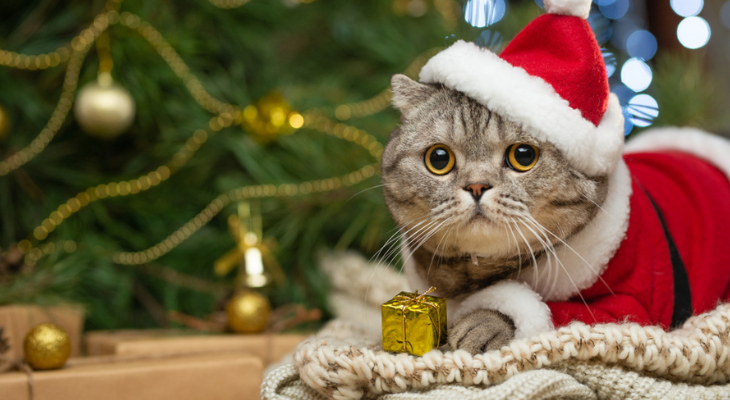
Santa cat

Pets and Holidays: What to Know Before Feeding Your Pet Table Scraps

Do your pets spend mealtime under the dining room table, hoping for a few samples of your holiday feast? Unfortunately, eating some table scraps could cause health troubles for your cat or dog. Not sure what foods are safe for your pets? Check out our safe eating tips.

Don't Let Your Pets Eat Raw Foods

Since animals eat raw meat in the wild, you might think it would be perfectly safe for your pet to eat uncooked foods. Unfortunately, raw eggs, poultry, beef and meat may contain salmonella or E. coli. Salmonella, E. coli and other germs may sicken or kill your furry friend. It's a good idea to store raw foods in the refrigerator until you're ready to use them.

Keep It Simple

The simpler the better when it comes to holiday foods, according to the American Kennel Club (AKC). The AKC notes that spices and other ingredients can cause digestive problems in pets. Although eating a small amount of plain turkey won't bother your cat or dog, turkey skin and bones may. Fatty turkey skin could trigger pancreatitis, an illness that can be deadly, while the bones could injure or choke your pet. Unlike other types of bones, turkey bones tend to splinter into sharp points when your dog or cat bites into them.

Don't Offer These Foods

Any food that contains spices, fats, or dairy products can cause upset stomachs, diarrhea, or more serious problems for pets. Many dogs and cats can't digest lactose, a protein found in milk. Although your pet may eagerly lap up milk or ice cream, diarrhea, vomiting, bloating, and gas can occur a few hours later.

Other foods that shouldn't be shared with pets, including gravy, nuts, candy (or other sugary treats), raisins, and grapes. Eating raisins and grapes or foods that contain them could cause kidney failure and death in pets, according to Tufts University Cummings School of Veterinary Medicine.

Keep any foods that contain onions, garlic or scallions away from pets too. Those foods may trigger hemolytic anemia, a serious condition that occurs when red blood cells die too soon. Hemolytic anemia can be fatal in dogs and cats.

Chocolate should also be kept out of reach of pets. Theobromine and caffeine, two ingredients in chocolate, can kill your dog or make it very sick. Although cats are less likely to gulp down a piece of dropped chocolate, they can also become sick if they happen to eat chocolate. Chocolate in any form, whether in candy or a cup of hot cocoa, can sicken your furry friends.

Other foods to avoid include gravy and yeast in dough or baked good. Keep candy or gum that contains the artificial sweetener xylitol out of reach. Xylitol is toxic to dogs and cats and can cause dangerously low blood sugar, liver damage and death.

Take Out the Trash

Your efforts to protect your pet shouldn't stop when the meal is over. Curious pets can get their fill of forbidden holiday foods simply by knocking over the kitchen trash can. Trash may also contain other dangerous items, like turkey bones or string. String may wrap around your pet's intestines if swallowed, which could require an emergency trip to the veterinary office for surgery. Fortunately, you can prevent disaster by promptly taking out your kitchen trash.

Prepare a Special Meal Just for Pets

Your pets won't feel left out when you give them their very own holiday meal prepared with safety in mind. Follow the ASPCA's advice and offer pets a small amount of turkey, sweet potatoes, or pumpkin. Make sure that these foods haven't been seasoned before you give them to your pets. If your pet isn't a fan of holiday foods, offer a few treats or splurge on a can of premium pet food.

Holidays will be much more enjoyable for you and your pet when you keep these tips in mind. Whether you're concerned about your pet's health or need to schedule a checkup, we're here to help. Give our office a call to schedule an appointment.

Sources:

American Kennel Club: Can Dogs Eat Thanksgiving Turkey?, 11/1/2022

https://www.akc.org/expert-advice/vets-corner/can-dogs-eat-thanksgiving-turkey/

Tufts University Cummings School of Veterinary Medicine: Dear Doctor - Why Grapes and Raisins Are a Definite No, 6/16/2016

https://www.tuftsyourdog.com/dogfoodandnutrition/dear-doctor-why-grapes-and-raisins-are-a-definite-no/

ASPCA: Thanksgiving Safety Tips

https://www.aspca.org/pet-care/general-pet-care/thanksgiving-safety-tips

American Veterinary Medical Association: Thanksgiving Pet Safety

https://www.avma.org/resources/pet-owners/petcare/thanksgiving-pet-safety

  • Pet Health
    • Chronic Conditions
    • Digestive and Oral Health
    • Diseases and Viruses
    • Pests and Parasites
    • Orthopedics
  • Today's Veterinarian
  • Choosing Your Pet
    • Finding Your Pet
    • Cats
    • Dogs
    • Exotics
      • Amphibians
      • Birds
      • Reptiles
        • Lizards
        • Turtles
    • Small Mammals
      • Ferrets
      • Rabbits
      • Domesticated Animals
        • Prairie Dogs
      • Pocket Pets
        • Chinchillas
        • Guinea Pigs
        • Hamsters
        • Hedgehogs
        • Rats
    • Livestock
      • Cows
      • Donkeys, Horses & Mules
      • Goats
      • Pigs
      • Poultry
      • Sheep
  • Living With Your Pet
    • Bringing Your Pet Home
    • Children and Pets
    • Providing Care
    • Travel
    • Saying Goodbye
  • Newsletter Library
    • Cats
    • Tips for Pet Owners
    • Behavior & Training
    • Fleas & Parasites
    • Keeping Pets Healthy
    • Recognizing Illness
    • Nutrition & Food
    • Pet Dangers
    • Seasonal Topics
    • Visiting the Vet
    • Equine
    • Newsletter Archive
      • Fun with Pets
      • Unbelievable Pets
  • Video Newsroom
    • Health Topics
    • Technology and Science
    • Other Interests
  • Newsletter Library
  • Client Survey
  • Pets4Kids
No Health Form settings found. Please configure it.
  • Services

    We strive to provide complete care for our patients. Learn more about all the services we provide.

Clinic Hours

Monday:

8:00 am-5:30 pm

Tuesday:

8:00 am-5:30 pm

Wednesday:

8:00 am-5:30 pm

Thursday:

8:00 am-5:30 pm

Friday:

8:00 am-5:30 pm

Saturday:

Closed

Sunday:

Closed

Location

Testimonial

  • "For a long time I've wanted to send a note to thank you for your care of our pets. Every time we bring our animals to your clinic, you show the perfect combination of expert care and compassion. I am especially grateful for the sensitivity you showed me when I brought Whitefoot in for the final time. You helped me through a rough time."
    - Anne A. / Sunnyside, WA

Featured Articles

  • March Newsletter: How to Keep Your Cat Safe When Outdoors

    Wondering how your cat can safely spend time outdoors? ...

    Read More
  • March Newsletter: How to Choose Safe Blankets for Pets

    Do you know how to pick a safe blanket for your pet? ...

    Read More
  • February Newsletter: How to Reduce Dental Anxiety in Pets

    Does your pet hate toothbrushing? These tips could reduce dental anxiety. ...

    Read More
  • February Newsletter: How to Safely Change Your Cat’s Food

    Buying a new food for your cat? Find out how to switch foods safely. ...

    Read More
  • January Newsletter: Signs Your Pet Needs a Wellness Exam

    Does your pet need a wellness exam? ...

    Read More
  • January Newsletter: How Your Veterinarian Can Help If Your Pet Ingests Something Toxic

    Has your pet eaten something it shouldn't have? Find out how your vet can help. ...

    Read More
  • December Newsletter: Signs Your Pet Needs a Professional Cleaning

    Do you know when your pet needs a professional cleaning? ...

    Read More
  • December Newsletter: Simple Ways to Keep Your Home Flea-Free for Your Pet’s Well-being

    Never want to see another flea again? Try these tips for a flea-free home. ...

    Read More
  • November Newsletter: The Importance of Bloodwork for Your Pet’s Health

    Wondering if your pet really needs bloodwork? Find out the benefits of blood tests for your furry friend. ...

    Read More
  • November Newsletter: Turkey Day Tips for Pet Owners

    Don't forget about your pet when making Turkey Day preparations. ...

    Read More

Newsletter Sign Up

Sign up for more articles

Error!

    Connect With Us

    • Copyright © 2026 MH Sub I, LLC dba iMatrix.
    • Admin Log In
    • Site Map