In response to recent COVID-19 concerns, we are writing to assure our clients that we are taking recommended precautions.

Close
×

Would you like to switch to the accessible version of this site?

Go to accessible site Close modal window

Don't need the accessible version of this site?

Hide the accessibility button Close modal window
Accessibility View Close toolbar
Round dog and cat logo

US

(509) 837-4166

[email protected]

Open mobile navigation
  • Home
  • New Patient Center
    • What To Expect
    • Virtual Office Tour
    • Helpful Website Links
    • Payment Options
  • Forms
  • About Us
    • Services
      • Medicine
      • Surgery
      • Dentistry
    • Meet Our Team
  • Emergencies
  • Pet Memorials
  • Contact Us
  • Blog
  • Veterinary Topics
    • Pet Health
      • Chronic Conditions
      • Digestive and Oral Health
      • Diseases and Viruses
      • Pests and Parasites
      • Orthopedics
    • Today's Veterinarian
    • Choosing Your Pet
      • Finding Your Pet
      • Cats
      • Dogs
      • Exotics
        • Amphibians
        • Birds
        • Reptiles
          • Lizards
          • Turtles
      • Small Mammals
        • Ferrets
        • Rabbits
        • Domesticated Animals
          • Prairie Dogs
        • Pocket Pets
          • Chinchillas
          • Guinea Pigs
          • Hamsters
          • Hedgehogs
          • Rats
      • Livestock
        • Cows
        • Donkeys, Horses & Mules
        • Goats
        • Pigs
        • Poultry
        • Sheep
    • Living With Your Pet
      • Bringing Your Pet Home
      • Children and Pets
      • Providing Care
      • Travel
      • Saying Goodbye
    • Newsletter Library
      • Cats
      • Tips for Pet Owners
      • Behavior & Training
      • Fleas & Parasites
      • Keeping Pets Healthy
      • Recognizing Illness
      • Nutrition & Food
      • Pet Dangers
      • Seasonal Topics
      • Visiting the Vet
      • Equine
      • Newsletter Archive
        • Fun with Pets
        • Unbelievable Pets
    • Video Newsroom
      • Health Topics
      • Technology and Science
      • Other Interests
    • Newsletter Library
    • Client Survey
    • Pets4Kids
  • Home >
  • Articles >
  • Newsletter Library >
  • Nutrition & Food >
  • How Safe is Your Dog’s Food?

How Safe is Your Dog’s Food?

  • Created in Newsletter Library, Nutrition & Food
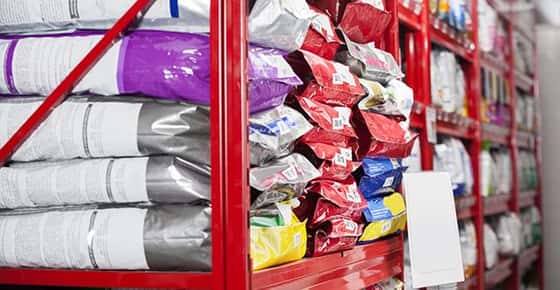
Image of pet food on a store shelf.

Over the last several years, numerous dog food brands and treats have been recalled for chemical contamination or Salmonella. This last summer many dog food brands were recalled due to Salmonella; all were manufactured in a Diamond Pet Foods plant in Gaston, South Carolina, USA. This plant makes many brands besides their own Diamond brand; Solid Gold, Canidae, Taste of the Wild, and Kirkland (Costco’s brand) were just some of the types of food affected. Further investigation showed that problems extended back to October 2011. By July 2012, at least 49 people had been sickened from the Salmonella in the dog food, and ten had been hospitalized. Salmonella can cause illness in dogs as well, such as vomiting and diarrhea. It is not known how many pets were affected from this infection. And like humans, some dogs and cats may not show any symptoms, but become carriers of Salmonella and can infect other animals and people.

An even larger problem is the chicken jerky treats made in China. It has been known for a few years that many dogs have been sickened from them, and the number of cases is increasing. The FDA just reported that in the last 18 months, 360 dogs and one cat have died from ingesting them. Extensive analysis has not revealed the cause. They have been tested for several chemical compounds including melamine, heavy metals, pesticides, and other toxins and infectious agents. The warning has now been extended to duck and sweet potato jerky treats.

For pet owners and veterinarians, there’s nothing quite as scary as discovering the food that you feed your dog is actually making him or a human family member sick. While you can’t prevent your pet’s food from being recalled, you can take the following five steps to reduce the risk for food poisoning and contamination or at least document a problem.

1. Store food in an airtight container. Before adding a new bag of food to the container, thoroughly wash it out with soap and hot water.

2. Save the barcode. Cut the barcode off your dog’s current food bag. Oftentimes a brand will only recall certain bags of food, depending on where they were manufactured. This information is contained in the barcode.

3. Wash bowls and food space regularly, and then disinfect them in bleach. If dry dog food falls on the floor, treat it the same as you would raw meat or chicken; clean the floor immediately with antibacterial spray.

4. Watch for symptoms. If you notice a change in your pet’s behavior and energy levels, contact your veterinarian. Common symptoms include vomiting and diarrhea. It is always possible that your dog’s food may be making him sick but it has not officially been recalled.

5. Practice good hygiene. When feeding your dog, it’s natural to reach down and pick up fallen pieces of food off the floor and put them back in your pet’s bowl. If the food is contaminated with E. coli or salmonella, however, then doing so will spread these dangerous bacteria to your hands. Always wash your hands with soap and water after feeding your dog; never touch your eyes, ears or mouth with unwashed hands.

If you suspect that your dog’s food is making him sick, contact your veterinarian and government regulators. In the United States, the Food and Drug Administration (FDA) formally tracks complaints about suspect dog food and treats. You can contact the FDA Consumer Complaint Coordinator.

Source:
Centers for Disease Control and Prevention

U.S. Food and Drug Administration

KTLA 5 News

  • Pet Health
    • Chronic Conditions
    • Digestive and Oral Health
    • Diseases and Viruses
    • Pests and Parasites
    • Orthopedics
  • Today's Veterinarian
  • Choosing Your Pet
    • Finding Your Pet
    • Cats
    • Dogs
    • Exotics
      • Amphibians
      • Birds
      • Reptiles
        • Lizards
        • Turtles
    • Small Mammals
      • Ferrets
      • Rabbits
      • Domesticated Animals
        • Prairie Dogs
      • Pocket Pets
        • Chinchillas
        • Guinea Pigs
        • Hamsters
        • Hedgehogs
        • Rats
    • Livestock
      • Cows
      • Donkeys, Horses & Mules
      • Goats
      • Pigs
      • Poultry
      • Sheep
  • Living With Your Pet
    • Bringing Your Pet Home
    • Children and Pets
    • Providing Care
    • Travel
    • Saying Goodbye
  • Newsletter Library
    • Cats
    • Tips for Pet Owners
    • Behavior & Training
    • Fleas & Parasites
    • Keeping Pets Healthy
    • Recognizing Illness
    • Nutrition & Food
    • Pet Dangers
    • Seasonal Topics
    • Visiting the Vet
    • Equine
    • Newsletter Archive
      • Fun with Pets
      • Unbelievable Pets
  • Video Newsroom
    • Health Topics
    • Technology and Science
    • Other Interests
  • Newsletter Library
  • Client Survey
  • Pets4Kids
No Health Form settings found. Please configure it.
  • Services

    We strive to provide complete care for our patients. Learn more about all the services we provide.

Clinic Hours

Monday:

8:00 am-5:30 pm

Tuesday:

8:00 am-5:30 pm

Wednesday:

8:00 am-5:30 pm

Thursday:

8:00 am-5:30 pm

Friday:

8:00 am-5:30 pm

Saturday:

Closed

Sunday:

Closed

Location

Testimonial

  • "For a long time I've wanted to send a note to thank you for your care of our pets. Every time we bring our animals to your clinic, you show the perfect combination of expert care and compassion. I am especially grateful for the sensitivity you showed me when I brought Whitefoot in for the final time. You helped me through a rough time."
    - Anne A. / Sunnyside, WA

Featured Articles

  • March Newsletter: How to Keep Your Cat Safe When Outdoors

    Wondering how your cat can safely spend time outdoors? ...

    Read More
  • March Newsletter: How to Choose Safe Blankets for Pets

    Do you know how to pick a safe blanket for your pet? ...

    Read More
  • February Newsletter: How to Reduce Dental Anxiety in Pets

    Does your pet hate toothbrushing? These tips could reduce dental anxiety. ...

    Read More
  • February Newsletter: How to Safely Change Your Cat’s Food

    Buying a new food for your cat? Find out how to switch foods safely. ...

    Read More
  • January Newsletter: Signs Your Pet Needs a Wellness Exam

    Does your pet need a wellness exam? ...

    Read More
  • January Newsletter: How Your Veterinarian Can Help If Your Pet Ingests Something Toxic

    Has your pet eaten something it shouldn't have? Find out how your vet can help. ...

    Read More
  • December Newsletter: Signs Your Pet Needs a Professional Cleaning

    Do you know when your pet needs a professional cleaning? ...

    Read More
  • December Newsletter: Simple Ways to Keep Your Home Flea-Free for Your Pet’s Well-being

    Never want to see another flea again? Try these tips for a flea-free home. ...

    Read More
  • November Newsletter: The Importance of Bloodwork for Your Pet’s Health

    Wondering if your pet really needs bloodwork? Find out the benefits of blood tests for your furry friend. ...

    Read More
  • November Newsletter: Turkey Day Tips for Pet Owners

    Don't forget about your pet when making Turkey Day preparations. ...

    Read More

Newsletter Sign Up

Sign up for more articles

Error!

    Connect With Us

    • Copyright © 2026 MH Sub I, LLC dba iMatrix.
    • Admin Log In
    • Site Map