In response to recent COVID-19 concerns, we are writing to assure our clients that we are taking recommended precautions.

Close
×

Would you like to switch to the accessible version of this site?

Go to accessible site Close modal window

Don't need the accessible version of this site?

Hide the accessibility button Close modal window
Accessibility View Close toolbar
Round dog and cat logo

US

(509) 837-4166

[email protected]

Open mobile navigation
  • Home
  • New Patient Center
    • What To Expect
    • Virtual Office Tour
    • Helpful Website Links
    • Payment Options
  • Forms
  • About Us
    • Services
      • Medicine
      • Surgery
      • Dentistry
    • Meet Our Team
  • Emergencies
  • Pet Memorials
  • Contact Us
  • Blog
  • Veterinary Topics
    • Pet Health
      • Chronic Conditions
      • Digestive and Oral Health
      • Diseases and Viruses
      • Pests and Parasites
      • Orthopedics
    • Today's Veterinarian
    • Choosing Your Pet
      • Finding Your Pet
      • Cats
      • Dogs
      • Exotics
        • Amphibians
        • Birds
        • Reptiles
          • Lizards
          • Turtles
      • Small Mammals
        • Ferrets
        • Rabbits
        • Domesticated Animals
          • Prairie Dogs
        • Pocket Pets
          • Chinchillas
          • Guinea Pigs
          • Hamsters
          • Hedgehogs
          • Rats
      • Livestock
        • Cows
        • Donkeys, Horses & Mules
        • Goats
        • Pigs
        • Poultry
        • Sheep
    • Living With Your Pet
      • Bringing Your Pet Home
      • Children and Pets
      • Providing Care
      • Travel
      • Saying Goodbye
    • Newsletter Library
      • Cats
      • Tips for Pet Owners
      • Behavior & Training
      • Fleas & Parasites
      • Keeping Pets Healthy
      • Recognizing Illness
      • Nutrition & Food
      • Pet Dangers
      • Seasonal Topics
      • Visiting the Vet
      • Equine
      • Newsletter Archive
        • Fun with Pets
        • Unbelievable Pets
    • Video Newsroom
      • Health Topics
      • Technology and Science
      • Other Interests
    • Newsletter Library
    • Client Survey
    • Pets4Kids
  • Home >
  • Articles >
  • Newsletter Library >
  • Recognizing Illness >
  • Glaucoma in Pets: What You Need to Know

Glaucoma in Pets: What You Need to Know

  • Created in Newsletter Library, Recognizing Illness
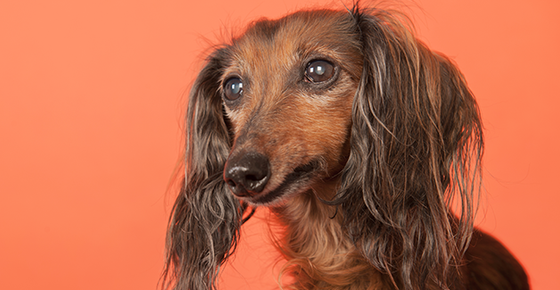
Image of a dog with eye issues.

Glaucoma is typically a disease affecting middle- age to older pets. The symptoms can be very insidious in that they may not be noticeable at first, but eventually you may see a red eye or a dilated pupil, and ultimately, as the disease progresses, you can see that the eyeball is larger than normal.

Glaucoma Is Serious

Glaucoma is increased pressure inside the eye resulting from fluid build-up within the eyeball from fluid not draining properly. If your pet doesn’t receive veterinary care, the condition damages the optic nerve, which can lead to blindness. When glaucoma occurs in one eye, it often eventually occurs in the second eye. When glaucoma occurs in both eyes, blindness may seem to occur suddenly.

The Two Types of Glaucoma

Your pet can develop one of two types of glaucoma: primary or secondary. Primary glaucoma occurs spontaneously. Secondary glaucoma occurs because of another condition, such as cataracts, eye trauma, or cancer of the eye.

Symptoms to Watch for

You may detect symptoms of glaucoma, but only your veterinarian can determine whether glaucoma is the issue versus another condition, such as uveitis or a corneal ulcer. The doctor will use a special instrument to measure the pressure within the globe.

Symptoms of glaucoma include a cloudy eye that tears with a red sclera (the white part of the eye). Your pet may also experience impaired vision. The eye might look swollen from the fluid buildup in the later stage of the disease.

Susceptible Breeds

No particular cat breed is more susceptible to glaucoma, but cocker spaniel and basset hound dog breeds have a higher risk of developing glaucoma. Other dog breeds that have a predisposition to glaucoma are Terriers, Beagles, Poodles, Chow-Chows and Dalmatians. Glaucoma is uncommon in cats, according to a recent study published in Veterinary Ophthalmology.

Treatment Options

Usually, the earlier glaucoma is diagnosed and treated, the better the outcome for your pet. Your dog might lose vision in one eye, but your veterinarian might be able to stop the spread to the other eye. Treatment includes eye drops to reduce the pressure, and sometimes also oral meds. Some ophthalmologist also try cryotherapy or laser treatment. Occasionally a glaucomatous blind eye becomes very painful, and the best option is to remove the eye surgically.

Sources:

American Animal Hospital Association, Research Aims to Unravel Glaucoma Mysteries in Companion Animals

American Veterinary Medical Association, Research targets conditions of older cats and dogs. August 15, 2006

NC State University College of Veterinary Medicine, Ophthalmology. Special Services, Technology, & Information

Veterinary Ophthalmology, Feline Glaucoma. A Comprehensive Review

  • Pet Health
    • Chronic Conditions
    • Digestive and Oral Health
    • Diseases and Viruses
    • Pests and Parasites
    • Orthopedics
  • Today's Veterinarian
  • Choosing Your Pet
    • Finding Your Pet
    • Cats
    • Dogs
    • Exotics
      • Amphibians
      • Birds
      • Reptiles
        • Lizards
        • Turtles
    • Small Mammals
      • Ferrets
      • Rabbits
      • Domesticated Animals
        • Prairie Dogs
      • Pocket Pets
        • Chinchillas
        • Guinea Pigs
        • Hamsters
        • Hedgehogs
        • Rats
    • Livestock
      • Cows
      • Donkeys, Horses & Mules
      • Goats
      • Pigs
      • Poultry
      • Sheep
  • Living With Your Pet
    • Bringing Your Pet Home
    • Children and Pets
    • Providing Care
    • Travel
    • Saying Goodbye
  • Newsletter Library
    • Cats
    • Tips for Pet Owners
    • Behavior & Training
    • Fleas & Parasites
    • Keeping Pets Healthy
    • Recognizing Illness
    • Nutrition & Food
    • Pet Dangers
    • Seasonal Topics
    • Visiting the Vet
    • Equine
    • Newsletter Archive
      • Fun with Pets
      • Unbelievable Pets
  • Video Newsroom
    • Health Topics
    • Technology and Science
    • Other Interests
  • Newsletter Library
  • Client Survey
  • Pets4Kids
No Health Form settings found. Please configure it.
  • Services

    We strive to provide complete care for our patients. Learn more about all the services we provide.

Clinic Hours

Monday:

8:00 am-5:30 pm

Tuesday:

8:00 am-5:30 pm

Wednesday:

8:00 am-5:30 pm

Thursday:

8:00 am-5:30 pm

Friday:

8:00 am-5:30 pm

Saturday:

Closed

Sunday:

Closed

Location

Testimonial

  • "For a long time I've wanted to send a note to thank you for your care of our pets. Every time we bring our animals to your clinic, you show the perfect combination of expert care and compassion. I am especially grateful for the sensitivity you showed me when I brought Whitefoot in for the final time. You helped me through a rough time."
    - Anne A. / Sunnyside, WA

Featured Articles

  • March Newsletter: How to Keep Your Cat Safe When Outdoors

    Wondering how your cat can safely spend time outdoors? ...

    Read More
  • March Newsletter: How to Choose Safe Blankets for Pets

    Do you know how to pick a safe blanket for your pet? ...

    Read More
  • February Newsletter: How to Reduce Dental Anxiety in Pets

    Does your pet hate toothbrushing? These tips could reduce dental anxiety. ...

    Read More
  • February Newsletter: How to Safely Change Your Cat’s Food

    Buying a new food for your cat? Find out how to switch foods safely. ...

    Read More
  • January Newsletter: Signs Your Pet Needs a Wellness Exam

    Does your pet need a wellness exam? ...

    Read More
  • January Newsletter: How Your Veterinarian Can Help If Your Pet Ingests Something Toxic

    Has your pet eaten something it shouldn't have? Find out how your vet can help. ...

    Read More
  • December Newsletter: Signs Your Pet Needs a Professional Cleaning

    Do you know when your pet needs a professional cleaning? ...

    Read More
  • December Newsletter: Simple Ways to Keep Your Home Flea-Free for Your Pet’s Well-being

    Never want to see another flea again? Try these tips for a flea-free home. ...

    Read More
  • November Newsletter: The Importance of Bloodwork for Your Pet’s Health

    Wondering if your pet really needs bloodwork? Find out the benefits of blood tests for your furry friend. ...

    Read More
  • November Newsletter: Turkey Day Tips for Pet Owners

    Don't forget about your pet when making Turkey Day preparations. ...

    Read More

Newsletter Sign Up

Sign up for more articles

Error!

    Connect With Us

    • Copyright © 2026 MH Sub I, LLC dba iMatrix.
    • Admin Log In
    • Site Map